


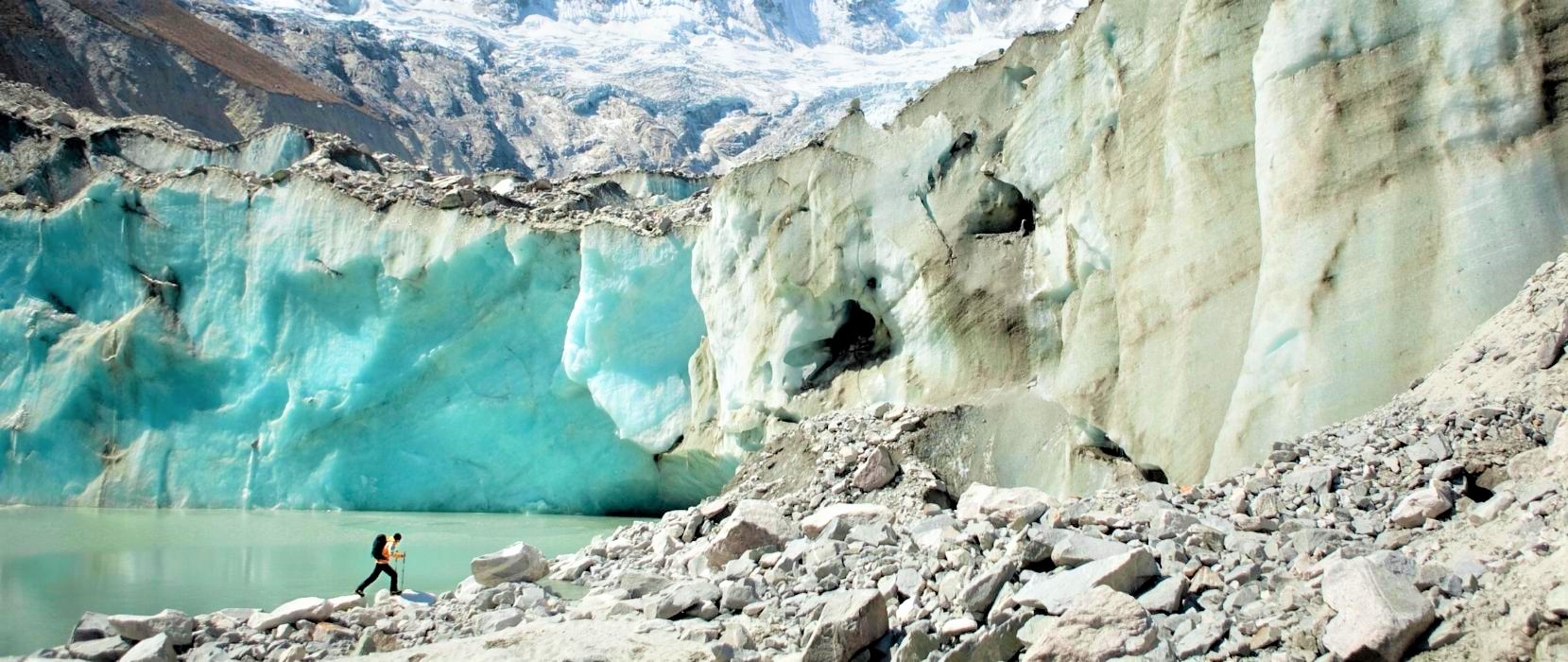
The Quelccaya Glacier is one of Peru’s most extraordinary natural wonders and a place of immense scientific, cultural, and environmental importance. Hidden deep within the high Andes of southern Peru, this massive ice cap is the largest tropical glacier in the world, covering an area of more than 40 square kilometers. Located at an altitude of over 5,600 meters above sea level, Quelccaya Glacier is not only a breathtaking destination for adventurous travelers but also a critical indicator of global climate change.
Far from Peru’s most visited tourist routes, Quelccaya remains a remote and pristine landscape, offering visitors an unforgettable experience of raw Andean beauty. Snow-covered plains, turquoise glacial lakes, towering ice walls, and dramatic mountain backdrops make this region unlike anywhere else in the world.
What Is the Quelccaya Glacier?
The Quelccaya Glacier, often referred to as the Quelccaya Ice Cap, is situated in the Vilcanota mountain range in the Cusco region of Peru. Unlike valley glaciers that flow down mountain slopes, Quelccaya is a plateau-style ice cap, spreading outward in multiple directions from a central mass of ice.
Scientists have studied Quelccaya extensively because its ice cores preserve thousands of years of climate history. Layers of compacted snow and ice reveal information about ancient temperatures, atmospheric conditions, and even volcanic eruptions, making the glacier an invaluable natural archive.
Location and Geography
Quelccaya Glacier lies approximately 130 kilometers southeast of Cusco, near the border of the Cusco and Puno regions. The glacier feeds several important river systems, including tributaries of the Amazon Basin, making it vital for water supply to Andean communities and ecosystems.
Key geographical features include:
- Elevation ranging from 5,200 to 5,670 meters
- Multiple glacial tongues extending into surrounding valleys
- Expansive ice fields and snow plains
- Numerous glacial lakes formed by melting ice
The surrounding landscape is characterized by high-altitude grasslands known as puna, where alpacas, llamas, and vicuñas roam freely.
Cultural Significance of Quelccaya
For local Andean communities, the Quelccaya Glacier holds deep spiritual meaning. Mountains and glaciers are considered apus, or sacred spirits, that protect and sustain life. Traditional rituals and offerings are still practiced in the region to honor these powerful natural entities.
Indigenous Quechua-speaking communities rely on glacial meltwater for agriculture and livestock. As the glacier retreats, concerns about water security and cultural preservation have grown, reinforcing the connection between nature and human survival in the Andes.
Quelccaya Glacier and Climate Change
The Quelccaya Glacier has become one of the most important symbols of climate change in the tropics. Scientific studies have shown that the glacier has been shrinking rapidly over the past several decades.
Key observations include:
- Significant reduction in ice coverage since the 1970s
- Formation of new glacial lakes due to accelerated melting
- Exposure of ancient plant material previously trapped under ice
- Changes in seasonal water availability downstream
Ice cores extracted from Quelccaya have provided evidence that recent warming trends are unprecedented in thousands of years. These findings have been crucial in understanding how climate change affects tropical regions differently from polar environments.
Visiting the Quelccaya Glacier
Although not a mainstream tourist destination, Quelccaya Glacier is increasingly attracting adventure travelers, trekkers, photographers, and researchers seeking off-the-beaten-path experiences.
How to Get There
Reaching the Quelccaya Glacier requires careful planning:
- Travel from Cusco to the towns of Sicuani or Phinaya
- Continue by 4×4 vehicle to remote high-altitude trailheads
- Trek for several hours to reach viewpoints near the glacier
Due to the altitude and isolation, most visitors join guided expeditions with experienced local operators.
Trekking to Quelccaya Glacier
The trek to Quelccaya Glacier is challenging but incredibly rewarding. Routes vary depending on weather and conditions, but most involve hiking across high-altitude plains and gentle slopes rather than steep climbs.
What to Expect on the Trek
- Altitudes above 5,000 meters
- Cold temperatures, even during the dry season
- Strong winds and intense sun exposure
- Minimal infrastructure and no permanent shelters
Trekkers are rewarded with stunning views of ice cliffs, frozen landscapes, and vast Andean horizons rarely seen by outsiders.
Best Time to Visit Quelccaya Glacier
The best time to visit the Quelccaya Glacier is during Peru’s dry season, which runs from May to September.
Seasonal Overview
- Dry Season (May–September): Clear skies, colder nights, best visibility
- Wet Season (October–April): Increased snowfall, difficult access, higher risk of storms
June, July, and August offer the most stable conditions, though temperatures can drop well below freezing, especially at night.
Wildlife and Natural Environment
Despite its harsh conditions, the region surrounding Quelccaya Glacier supports a surprising amount of wildlife. High-altitude species have adapted to extreme cold and low oxygen levels.
Common sightings include:
- Vicuñas and alpacas
- Andean foxes
- Condors soaring above mountain ridges
- Native bird species adapted to puna ecosystems
The fragile environment highlights the importance of responsible travel and conservation efforts.
Photography at Quelccaya Glacier
For photographers, the Quelccaya Glacier offers dramatic and rarely photographed scenery. The contrast between white ice, deep blue skies, and dark mountain rock creates striking compositions.
Photography tips:
- Bring extra batteries (cold drains power quickly)
- Use wide-angle lenses for expansive ice fields
- Capture early morning or late afternoon light
- Protect equipment from snow and moisture
Because of its remoteness, images of Quelccaya often feel untouched and timeless.
Responsible Tourism and Conservation
As interest in the Quelccaya Glacier grows, responsible tourism is essential to protect this sensitive environment.
Travelers should:
- Hire local guides and support community-based tourism
- Avoid leaving waste or disturbing wildlife
- Respect cultural traditions and sacred sites
- Follow established trekking routes
Sustainable travel helps ensure that future generations can continue to study and appreciate this unique glacier.
Why Quelccaya Glacier Matters
The Quelccaya Glacier is more than just an impressive landscape—it is a natural laboratory, a cultural symbol, and a vital water source. Its retreat serves as a stark reminder of the impacts of global warming, while its beauty inspires those who venture into its remote surroundings.
Visiting Quelccaya is not about luxury or convenience; it is about connection—connection to nature, to ancient Andean traditions, and to the planet’s changing climate.
Final Thoughts on Quelccaya Glacier
The Quelccaya Glacier stands as one of the most remarkable and important natural features in South America. From its role in climate science to its spiritual significance for Andean communities, this massive tropical ice cap holds stories carved in ice over thousands of years.
For adventurous travelers willing to embrace altitude, cold, and remoteness, Quelccaya offers an experience that is both humbling and unforgettable. As the world continues to warm, understanding and protecting places like Quelccaya Glacier has never been more critical.
