


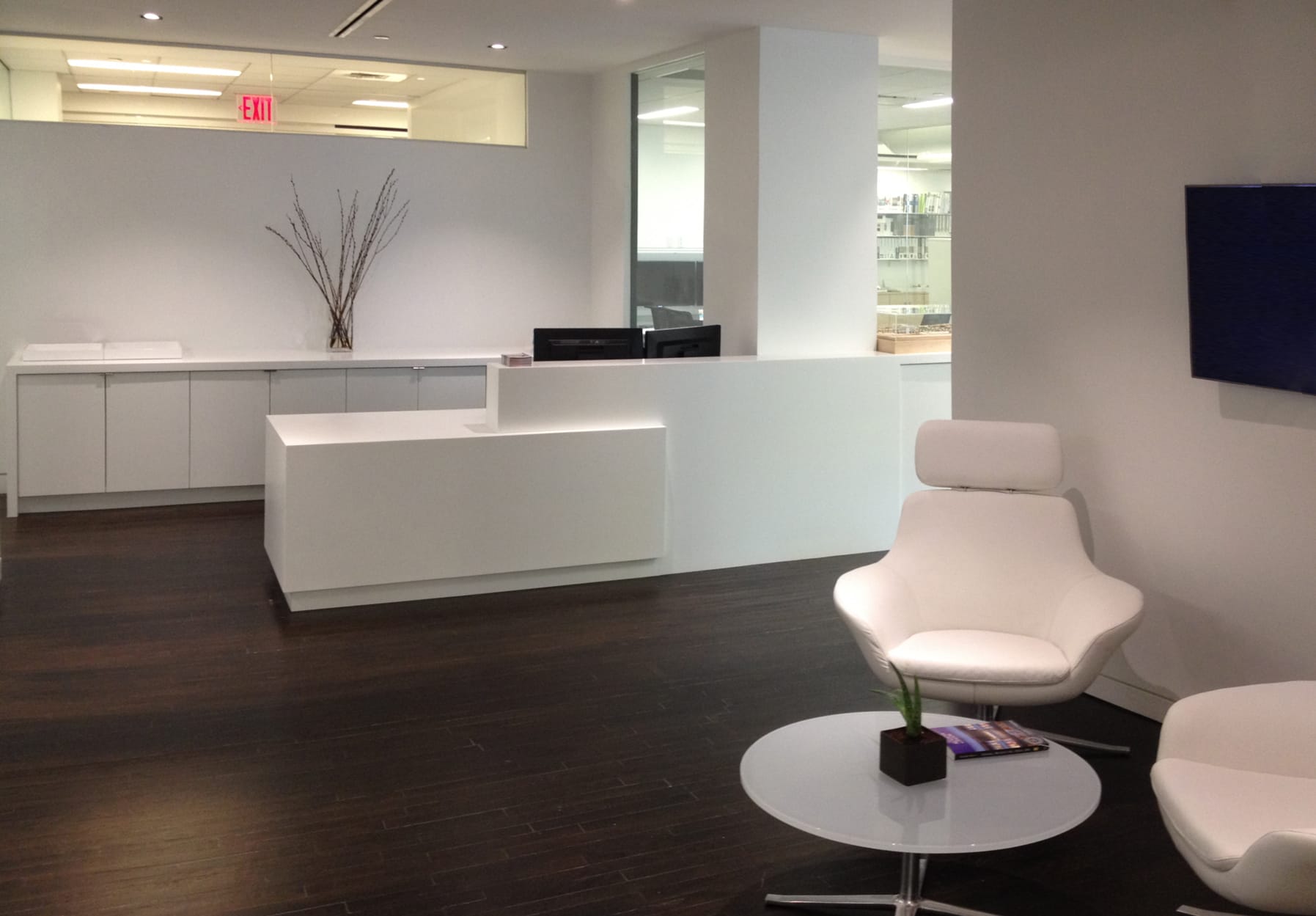
Retail design involves more than arranging merchandise and choosing attractive lighting. Every fixture, counter, and surface contributes to how customers experience a store and how efficiently employees complete daily tasks. Solid surface solutions for retail spaces offer retailers and commercial designers an opportunity to combine visual appeal, practical functionality, and design flexibility in areas that receive frequent use.
From checkout counters and reception desks to custom display features, surface materials help establish a consistent interior identity. Selecting the right material requires careful consideration of the store’s layout, maintenance requirements, customer traffic, and long-term design objectives. Hyundai L&C, through its Hanex Solid Surfaces brand, offers acrylic solid surface materials that can support a range of commercial interior applications.
Why Solid Surface Materials Matter in Retail Design
Retail environments must accommodate continuous activity while maintaining a professional appearance. Counters are used throughout the day, display fixtures attract customer attention, and service desks often become important interaction points. Materials selected for these areas should meet practical requirements without compromising the overall design.
Hanex Solid Surfaces offers several characteristics relevant to commercial interiors, including nonporous construction, stain resistance, repairability, and a range of color options. These features can help retailers plan surfaces that suit their operational needs while maintaining a cohesive visual style.
Material selection should still reflect the intended application. A surface used for a general merchandise display may face different demands from one installed at a busy customer service counter. Evaluating these differences early can help avoid unsuitable specifications and unnecessary maintenance challenges.
Key Applications of Solid Surface Solutions for Retail Spaces
1. Checkout Counters and Customer Service Desks
Checkout counters are among the most frequently used fixtures in many retail environments. They must accommodate payment equipment, product handling, employee activities, and customer interactions while remaining visually consistent with the store’s interior.
Solid surface materials can be considered for counter installations where appearance, cleanability, and design continuity are priorities. Their fabrication flexibility can also support coordinated edge details and integrated design features, depending on the project specifications.
Customer service desks benefit from similar planning. A carefully selected surface can help establish a welcoming first impression while providing a practical workspace for staff.
2. Product Displays and Feature Counters
Product displays influence how merchandise is presented and how customers navigate a store. Surface colors, patterns, and finishes can complement packaging, shelving, lighting, and branded graphics.
Neutral shades may help merchandise remain the focal point, while contrasting colors can draw attention to selected products or promotional areas. Designers should assess samples under the store’s actual lighting conditions before confirming a finish, since illumination can affect how colors and patterns appear.
Solid surface materials may also be fabricated into customized display elements when the design, dimensions, and intended use are suitable for the selected product.
3. Reception Areas and Consultation Spaces
Showrooms, specialty retailers, and service-oriented businesses often use reception counters or consultation desks to welcome visitors. These features communicate a brand’s character before a customer interacts with an employee.
A well-planned surface can contribute to a clean, contemporary appearance and coordinate with wall finishes, flooring, and furniture. For a consistent interior, designers can establish a material palette that carries the same color family or complementary finishes across multiple customer-facing areas.
The result is a more unified environment without requiring every fixture to look identical.
How to Choose the Right Solid Surface Material
Selecting a retail surface should involve more than comparing colors or initial prices. The material must be suitable for its intended function, installation conditions, and expected maintenance routine.
Consider the following factors before making a decision:
1. Intended use and customer traffic
Identify how each surface will be used and what it may encounter during normal operation. Checkout counters, display units, and consultation desks have different functional requirements. Discuss these conditions with the supplier and fabricator to confirm that the selected material is appropriate.
2. Cleaning and maintenance
Retail surfaces require regular care to preserve their appearance. Review the manufacturer’s cleaning instructions, recommended products, and restrictions before choosing a material. Nonporous construction can support easier routine cleaning, but it does not eliminate the need for proper maintenance or guarantee protection against every type of stain.
3. Color and design compatibility
Compare surface samples with flooring, wall colors, cabinetry, lighting, and branded elements. Consider whether the design should create contrast or maintain a restrained palette. Reviewing samples in the actual space can help prevent unexpected differences between showroom lighting and installed conditions.
4. Fabrication and installation
Custom counters and display features require accurate measurements, appropriate seam placement, suitable support, and professional fabrication. Discuss these requirements early, particularly when a design includes curves, cutouts, or unusual dimensions.
5. Long-term upkeep
Evaluate the expected cleaning routine, potential repair needs, and product warranty terms. A surface that suits the store’s maintenance capabilities may offer better long-term value than one selected primarily for its appearance.
Design Flexibility and Practical Maintenance
One reason to consider solid surface materials is the ability to balance design requirements with everyday usability. Hanex Solid Surfaces is an acrylic solid surface product line with options intended for a variety of residential and commercial applications.
Its design flexibility can be useful when a retail project calls for coordinated counters, customized shapes, or a consistent appearance across several fixtures. Hyundai L&C also identifies repairability and ease of maintenance among the characteristics of Hanex Solid Surfaces.
However, performance depends on the selected product, fabrication quality, installation, and conditions of use. Retailers should confirm technical specifications and care requirements rather than assume that every finish or configuration performs identically. Areas exposed to high temperatures, heavy impacts, or specialized cleaning chemicals may require additional planning.
For projects involving complex commercial installations, consulting an experienced fabricator and reviewing the manufacturer’s technical guidance can help ensure that the design remains practical after installation.
Planning a Retail Surface Project From Start to Finish
A structured selection process helps designers, retailers, and contractors coordinate decisions before installation begins.
Step 1: Define the project requirements. List the intended applications, dimensions, traffic levels, cleaning expectations, and design priorities for each area.
Step 2: Establish a coordinated design palette. Select preliminary colors and finishes that complement the store’s branding, lighting, fixtures, and architectural details.
Step 3: Review samples and specifications. Examine physical samples and confirm the relevant product details, fabrication requirements, and maintenance recommendations.
Step 4: Consult a qualified fabricator. Discuss measurements, seams, edge profiles, support, cutouts, and installation logistics. Confirm that the proposed design is suitable for the chosen material.
Step 5: Review costs and ongoing care. Consider material, fabrication, installation, maintenance, and potential repair requirements when evaluating overall project value.
Following these steps can reduce avoidable design changes and help ensure that material choices support both the visual concept and daily retail operations.
Explore Hyundai L&C Solid Surface Options
Choosing surfaces for a retail interior requires a balance between appearance, functionality, and practical maintenance. Hyundai L&C’s Hanex Solid Surfaces line provides color choices and material characteristics that designers can evaluate for suitable commercial applications.
Retailers, architects, and contractors can explore available designs, review product information, and consult a dealer or qualified fabricator to determine which options meet project requirements. Product suitability should always be confirmed against the intended application and relevant technical guidance.
Conclusion
The right solid surface solutions for retail spaces can help create inviting customer-facing areas while supporting the practical demands of everyday business. By considering application requirements, maintenance, design compatibility, fabrication, and long-term value, retailers can make more informed material decisions.
Explore Hyundai L&C’s Hanex Solid Surfaces at https://hyundailncusa.com/ to review available options and take the next step toward a thoughtfully designed retail environment.
