


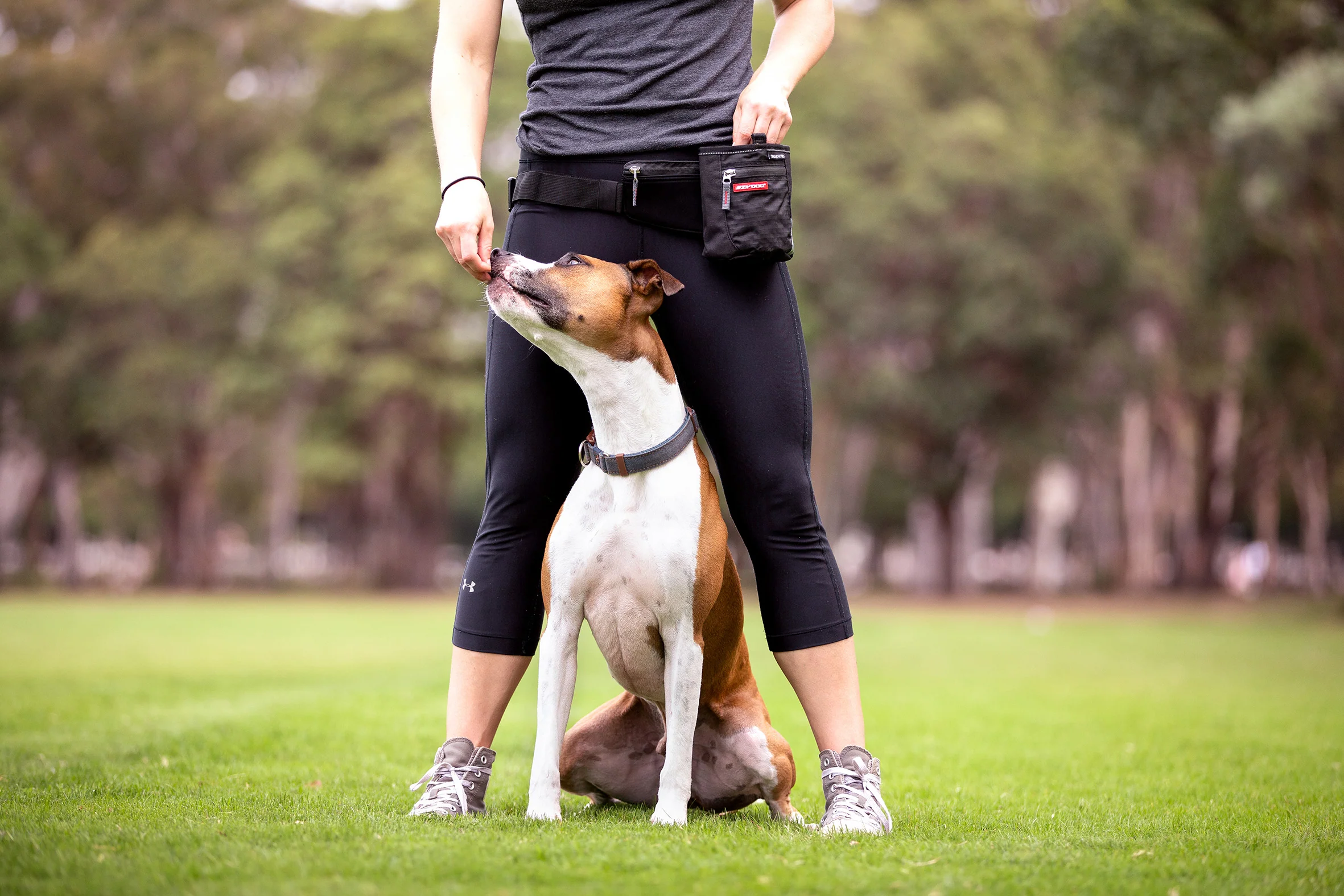
Real world dog obedience training helps dogs apply learned commands in everyday situations, not just in a quiet room or familiar backyard. A dog may respond reliably to “sit” at home but struggle around other dogs, unfamiliar people, traffic, or outdoor distractions. Building dependable behavior requires practice in different environments, consistent communication, and realistic expectations.
The goal is developing a dog that responds appropriately during walks, greets visitors calmly, settles in public spaces, and follows guidance when distractions compete for attention. With a structured approach, owners can strengthen obedience skills and help their dogs become confident companions.
Why Real World Dog Obedience Training Matters
Dogs do not automatically understand that a command learned in one setting applies everywhere. A dog that follows “come” in the living room may ignore the same cue at a park because the environment presents new distractions.
Real world dog obedience training bridges this gap by helping dogs practice familiar skills under gradually changing conditions. Owners teach dogs how to respond when surroundings become more challenging.
Everyday obedience supports several important goals:
- Safer walks: Reliable leash manners and recall help owners manage everyday situations.
- Better greetings: Calm behavior around visitors reduces jumping and excessive excitement.
- Improved communication: Consistent cues help dogs understand expectations.
- Greater adaptability: Practice in different environments helps dogs handle unfamiliar sights and sounds.
- Stronger relationships: Reward-based training encourages cooperation and builds trust.
Training does not eliminate every behavioral challenge, but it gives owners practical skills for managing common situations.
Build a Strong Foundation Before Adding Distractions
Before practicing obedience in busy environments, ensure your dog understands basic cues in a familiar setting. Foundation skills provide the starting point for more demanding exercises.
Useful commands and behaviors include:
- Sit: Encourages controlled behavior before meals or greetings.
- Stay: Teaches your dog to remain in position until released.
- Come: Builds recall when your dog needs to return.
- Leave it: Redirects attention from inappropriate or dangerous items.
- Loose-leash walking: Encourages walking without constant pulling.
- Place: Teaches your dog to settle on a designated mat or bed.
Practice one skill at a time in short sessions. Reward correct responses promptly with treats, praise, play, or another reward your dog values.
Avoid repeating commands when your dog does not respond. Instead, simplify the exercise, reduce distractions, and reward success. This prevents confusion and supports improvement.
How to Practice Real World Dog Obedience Training
Once your dog understands a cue in a familiar environment, gradually introduce new settings. Increase difficulty in manageable steps rather than testing every skill in a crowded location immediately.
1. Start in a Low-Distraction Environment
Begin at home, in your driveway, or in another familiar area. Practice basic cues while your dog is comfortable and able to focus.
For example, ask your dog to sit before opening the door for a walk. Reward the behavior, then release your dog when appropriate. This connects obedience with a daily activity.
2. Introduce Mild Distractions
Move to a quiet outdoor area where your dog can observe new sights and sounds without becoming overwhelmed. Practice familiar cues while maintaining enough distance for your dog to respond successfully.
If your dog struggles to focus, increase the distance or return to an easier environment. Difficulty responding may indicate that the situation is too challenging.
3. Gradually Increase Environmental Challenges
As your dog becomes more consistent, practice around different people, locations, and moderate activity levels. Change one factor at a time whenever possible.
For example, practice loose-leash walking on a quiet sidewalk before moving to a busier path. Later, work on walking calmly at a distance from other dogs.
Keep sessions brief enough to maintain engagement. Finish with a successful exercise rather than repeatedly testing a skill after your dog loses focus.
4. Reinforce Reliable Responses
Reward your dog for responding appropriately in challenging situations. Over time, vary the rewards while continuing to reinforce important behaviors.
Real-world rewards can include permission to sniff a suitable area, continue a walk, or greet a familiar person when appropriate. These opportunities teach dogs that responding to a cue can lead to positive outcomes.
Avoid removing rewards too quickly, especially in distracting environments. Reliability develops through repeated practice and reinforcement.
Improve Leash Manners and Recall Outdoors
Outdoor walks provide opportunities to apply obedience skills, but distractions can make training difficult.
For better leash manners, reward your dog for walking near you without pulling. When tension develops, pause or change direction calmly, then reward a loose leash. Choose routes that match your dog’s current skill level.
Recall requires particular care because mistakes can create safety risks. Start indoors or in a secure, enclosed space, using a consistent cue and valuable rewards. Gradually practice at greater distances and around mild distractions.
Until recall is dependable, use a suitable long line in appropriate areas and follow local leash rules. Never rely on an untested recall near roads, unfamiliar dogs, or other hazards.
Manage Common Obedience Challenges
Progress may slow when dogs encounter unfamiliar situations or highly rewarding distractions. Recognizing the cause helps owners choose an effective response.
Pulling toward other dogs
Increase distance until your dog can notice another dog without losing the ability to respond. Reward calm observation and attention toward you. Avoid forcing close greetings when either dog appears uncomfortable.
Jumping on visitors
Practice controlled greetings with willing helpers. Reward four paws on the floor and reduce excitement by creating distance or using a barrier when needed.
Ignoring commands outdoors
Return to a less distracting location and rebuild the behavior gradually. Check whether your reward is valuable enough and whether your dog is tired, stressed, or overstimulated.
Difficulty settling in public
Teach your dog to relax on a mat at home before practicing in quiet public settings where dogs are permitted. Reward calm behavior and leave if the environment becomes too challenging.
If your dog shows intense fear, persistent reactivity, or aggressive behavior, seek guidance from a qualified professional.
Maintain Progress Through Consistency
Effective training depends on what happens between formal sessions. Daily routines offer opportunities to reinforce useful behaviors without lengthy practice periods.
Ask your dog to sit before meals, reward calm waiting at doorways, and reinforce loose-leash walking during ordinary outings. Keep household rules consistent so your dog receives clear expectations.
Track progress by observing whether your dog responds more reliably, recovers faster after distractions, and remains comfortable in different environments. Avoid judging success by one difficult walk or expecting immediate perfection.
Training should account for your dog’s age, temperament, health, and previous experiences. Puppies, adolescent dogs, and adult dogs may need different pacing and support. Adjusting expectations helps make practice safer and more productive.
Take the Next Step Toward Everyday Obedience
Real world dog obedience training helps dogs respond to familiar cues in the environments where those skills matter most. By building a strong foundation, introducing distractions gradually, and rewarding appropriate choices, owners can improve communication and encourage safer behavior.
Rob’s Dog Training helps owners work toward better behavior and more effective communication with their pets. Explore available services and find guidance suited to your dog’s needs at robsdogs.
