


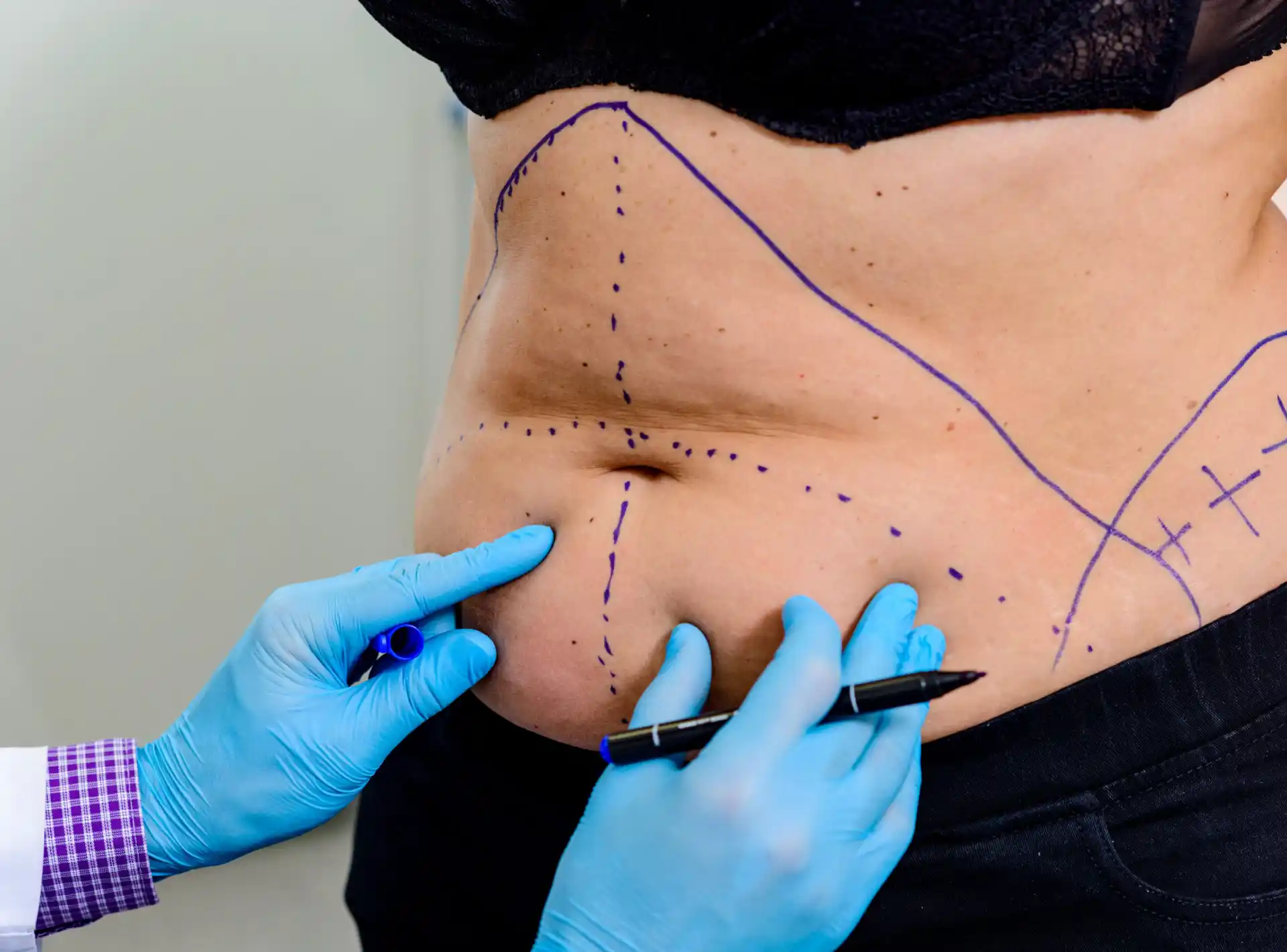
Liposuction is often associated with losing weight, but that description misses its primary purpose. Rather than serving as a replacement for healthy eating, physical activity, or medical weight-management strategies, liposuction is primarily a body-contouring procedure designed to remove localized deposits of subcutaneous fat and improve the proportions and shape of specific areas.
Understanding what liposuction can—and cannot—accomplish is important for anyone considering the procedure. The best outcomes generally come from having realistic expectations, being at a relatively stable weight, and viewing the treatment as a way to refine body contours rather than dramatically change overall body weight.
What Is the Real Purpose of Liposuction?
Liposuction removes fat from selected areas through suction and can reshape the treated region. Common treatment areas include the abdomen, waist, hips, thighs, buttocks, back, upper arms, chin, and neck. The objective is usually to reduce noticeable fat deposits that remain despite appropriate diet and exercise.
This distinction matters because two people with similar body weights can have very different body shapes. Genetics, age, hormones, and fat distribution can influence where the body stores fat. Liposuction can address certain disproportionate areas, helping create a more balanced silhouette.
Why Weight Loss and Body Contouring Are Different
Losing weight generally means reducing overall body mass, while body contouring focuses on changing the shape of a particular area. Liposuction is not considered an overall weight-loss treatment or a solution for obesity.
For someone who needs significant weight reduction, lifestyle changes and medically appropriate weight-management options may be more suitable. Liposuction is better understood as a finishing or refining procedure for stubborn areas of fat after a person has reached a relatively stable weight.
Targeting Stubborn Fat Deposits
One of the most appealing aspects of liposuction is its ability to focus on localized fat. Some people may maintain a healthy lifestyle yet continue to notice fullness around the abdomen, flanks, thighs, arms, or other areas.
Modern liposuction techniques are designed to remove selected fat deposits while shaping the surrounding area. The goal is not simply to remove as much fat as possible, but to create a smoother and more proportional contour.
For individuals researching options in their area, smart lipo in The Woodlands may be one phrase encountered when exploring laser-assisted liposuction and related body-contouring services. Anyone considering such a procedure should discuss the specific technology, expected benefits, limitations, and potential risks with a qualified medical professional.
Who May Be a Suitable Candidate?
Liposuction is generally more appropriate for adults who are in relatively good health, have localized fat deposits, and maintain a stable weight. Skin quality also matters because skin with good elasticity may adapt more effectively to the new underlying contour.
A consultation should evaluate more than body weight alone. A medical professional may consider the treatment area, skin elasticity, medical history, medications, lifestyle, expectations, and whether another procedure might provide a better result.
What Liposuction Cannot Fix
Liposuction has clear limitations. It is not designed to treat obesity, replace exercise, or produce the overall health benefits associated with weight loss. It also does not reliably correct loose excess skin or cellulite.
When significant loose skin is present, a procedure that removes excess skin may be more appropriate than liposuction alone. This is one reason an individualized assessment is important before choosing a cosmetic procedure.
Understanding Recovery and Results
Liposuction is surgery, so recovery should be taken seriously. Swelling, bruising, discomfort, and temporary numbness can occur following treatment. Recovery time varies according to the amount and areas treated and the specific technique used.
Changes in body contour may become noticeable as swelling decreases, but the final appearance can take considerably longer to develop. Patience during recovery is important because the early postoperative appearance does not necessarily represent the final result.
Risks and the Importance of Medical Evaluation
Although liposuction is widely performed, it is still a surgical procedure and carries potential risks. Possible complications can include infection, bleeding, fluid accumulation, contour irregularities, changes in sensation, scarring, and complications associated with anesthesia or surgery. The extent of risk depends on factors such as the patient’s health, the treatment area, the amount of fat removed, and the technique used.
Choosing an appropriately qualified medical professional and having a thorough consultation can help identify individual risk factors and establish realistic expectations.
Maintaining the Results
Fat cells removed during liposuction are permanently removed from the treated area, but this does not make a person immune to future weight gain. Remaining fat cells can enlarge if body weight increases, potentially changing the overall appearance.
Maintaining a stable weight through balanced nutrition and regular physical activity can therefore help preserve the contours achieved through treatment.
A More Realistic View of Lipo
The most useful way to think about liposuction is not as a shortcut to weight loss but as a tool for shape refinement. Its purpose is to address selected areas where localized fat affects proportions and where lifestyle measures alone may not produce the desired contour.
When approached with realistic expectations, appropriate medical screening, and an understanding of its limitations, liposuction can play a role in modern aesthetic body contouring. The goal is ultimately not a number on the scale, but a body shape that is more proportionate to the individual’s natural frame.
