


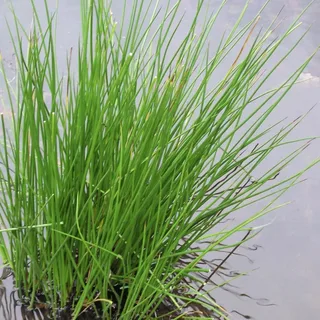
A garden pond can add tranquility, beauty, and natural character to an outdoor space. However, the pond itself is only part of the overall landscape. The areas surrounding the water can have a major impact on its appearance and ecological value. Marginal pond plants are an excellent choice for creating attractive, vibrant edges while helping your pond blend naturally into the garden.
If you Buy Marginal Pond Plants for Vibrant, Healthy Pond Landscaping, you can introduce a combination of attractive foliage, colorful flowers, and natural textures that enhance both the appearance and atmosphere of your water feature.
What Are Marginal Pond Plants?
Marginal pond plants are species that thrive in shallow water or moist soil around the edges of ponds. Unlike floating plants or deep-water species, these plants generally grow with their roots in wet conditions while their stems and leaves extend above the water.
They are available in different sizes, colors, and growth habits, making them suitable for a wide range of pond designs. From delicate flowering plants to tall architectural varieties, marginal plants can help create a layered and natural-looking pond border.
Benefits of Marginal Pond Plants
Enhance Pond Appearance
Marginal plants can soften hard pond edges and disguise artificial liners or containers. Their foliage and flowers create a natural transition between the water and surrounding garden.
Add Color and Texture
Different marginal plants flower at different times and offer a variety of foliage shapes. Combining several species can provide changing seasonal interest and prevent the pond border from looking plain.
Support Local Wildlife
A well-planted pond can provide shelter and habitat for insects, frogs, and other small garden creatures. Flowering varieties can also attract pollinators, contributing to greater biodiversity.
Create a More Natural Environment
Marginal plants can make an ornamental pond feel more like a natural wetland environment. Their roots and foliage can become part of the pond’s wider ecosystem when planted appropriately.
Popular Marginal Pond Plants to Consider
When you Buy Marginal Pond Plants for Vibrant, Healthy Pond Landscaping, selecting a combination of varieties can help create a balanced planting scheme.
Water Iris
Water iris varieties are known for their attractive flowers and upright foliage. They can provide height and seasonal color while growing well in suitable shallow-water conditions.
Marsh Marigold
Marsh marigold is a popular choice for damp pond margins. Its bright flowers can add cheerful color and work particularly well in natural-style water gardens.
Pickerelweed
With broad foliage and distinctive flower spikes, pickerelweed can provide both texture and vertical interest. It is particularly useful for creating a lush pond-edge appearance.
Cattails
Cattails provide tall, strong vertical forms that can give larger ponds a wetland-inspired appearance. Some varieties can spread quickly, so planting them in a controlled area is advisable.
How to Select the Right Plants
Choosing the right plants involves more than simply selecting the most attractive varieties. Start by considering the size and depth of your pond’s marginal zones.
Consider Sunlight
Check whether your pond edge receives full sun, partial shade, or mostly shade. Choose plants with light requirements that match the conditions available.
Check Mature Size
A plant that looks small when purchased may become considerably larger as it matures. Check its expected height and spread before planting to avoid overcrowding.
Match Planting Depth
Marginal species have different water-depth requirements. Always follow the planting guidance for each plant so its roots remain at the appropriate level.
Planting Marginal Pond Plants
Choose Suitable Containers
Aquatic planting baskets can be useful for marginal plants because they allow you to control their position and growth. Use appropriate aquatic growing media rather than ordinary garden soil.
Position Plants Carefully
Arrange taller varieties farther from the main viewing area and shorter plants closer to the water’s edge. This approach creates depth while ensuring that the pond remains visible.
Avoid Excessive Planting
Although plants are beneficial, overcrowding can make a pond look untidy and restrict open-water areas. Leave sufficient space between specimens for healthy growth.
Maintaining a Healthy Pond Landscape
Once established, marginal pond plants usually require regular but straightforward maintenance. Remove dead or damaged foliage and flowers to keep the pond edge tidy. Fast-growing plants may need thinning or dividing from time to time.
It is also important to monitor fallen leaves and other organic debris. Removing excessive debris can help maintain a cleaner-looking water feature and reduce the buildup of decomposing material.
Creating a Vibrant Pond Design
A successful pond landscape combines plants with different colors, heights, and textures. Consider using flowering species alongside foliage plants to create visual variety throughout the growing season.
When you Buy Marginal Pond Plants for Vibrant, Healthy Pond Landscaping, think about how each variety will contribute to the overall composition. Repeating selected plants in groups can create a cohesive appearance, while natural stones and gravel can complement the vegetation.
Final Thoughts
Marginal pond plants offer an effective way to improve the beauty and natural character of a garden pond. They can soften pond edges, introduce seasonal color, create habitat, and connect the water feature with the surrounding landscape.
With careful selection and proper planting, you can create a pond border that looks attractive while supporting a healthier garden environment. For anyone looking to Buy Marginal Pond Plants for Vibrant, Healthy Pond Landscaping, choosing suitable varieties based on sunlight, water depth, mature size, and design goals is the key to creating a beautiful and balanced pond.
